Access problems for basement carpet cleaning Maida Vale
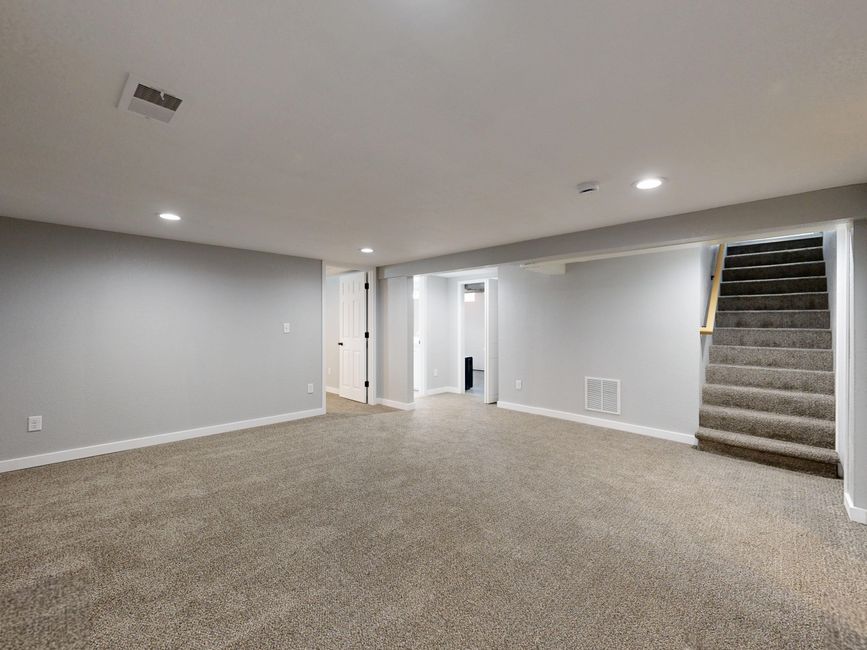
Basement cleaning can look simple on paper. In reality, access is often the part that decides whether the job feels smooth or awkward from the first knock at the door. If you are dealing with Access problems for basement carpet cleaning Maida Vale, you are usually juggling narrow stairs, low headroom, tight corners, shared entrances, parking limits, damp conditions, and the usual London problem of "just one more little obstacle".
That does not mean the carpet cannot be cleaned properly. It just means the route in, the equipment choice, and the preparation matter more than they do on a normal ground-floor visit. In this guide, we will walk through what access issues really involve, how professionals work around them, which methods are safest, and how to avoid the common pitfalls that waste time or damage carpets. If you are comparing options, the detailed guidance here should help you make a sensible call rather than a rushed one.
- Jump to: Why it matters
- How the process works
- Key benefits and practical advantages
- Who this is for
- Step-by-step guidance
- Expert tips
- Common mistakes to avoid
- Tools and recommendations
- Law, compliance, and best practice
- Methods and comparison
- Real-world example
- Practical checklist
- Conclusion
- Frequently asked questions
Why Access problems for basement carpet cleaning Maida Vale Matters
Access problems are not just a small inconvenience. In basement properties, they shape the whole cleaning plan. A carpet cleaner may have the right equipment and a careful technique, but if the stairwell is too narrow, the route is shared with neighbours, or the basement door opens into a cramped hallway, the job needs a different approach. Simple as that.
Maida Vale has plenty of period properties, converted flats, and basement rooms that were never designed around modern cleaning equipment. That usually means turns are tight, stair treads can be uneven, and moisture management matters more because air circulation is often weaker downstairs. Anyone who has carried a large wet vacuum through a narrow passage knows the feeling: one bad angle and the whole thing turns into a balancing act.
Why does this matter so much? Because poor access can affect:
- Cleaning quality if equipment cannot be brought in safely or positioned correctly.
- Drying time if airflow is limited and the basement holds moisture.
- Property safety if walls, paintwork, banisters, or doors get scraped.
- Neighbour relations in shared buildings where noise, hose runs, and trip hazards need managing.
- Cost and timing because awkward access usually takes longer to set up and clear down.
When access is handled properly, the difference is obvious. The clean is calmer, quicker, and more predictable. The carpet comes up better, and nobody has that late-afternoon moment of realising the extraction machine is not going to fit back out the same way it came in.
How Access problems for basement carpet cleaning Maida Vale Works
The phrase sounds technical, but the process is actually quite practical. It begins long before the cleaning solution touches the carpet. A good provider will first assess how the basement is reached and where the equipment will travel. That may include stair width, headroom, parking proximity, door clearance, and whether water, power, and waste-water disposal can be managed without causing disruption.
In a well-run visit, the team will usually think in four stages:
- Access assessment - checking stairs, corridors, shared entrances, and any obstacles.
- Method selection - deciding whether portable extraction, low-moisture cleaning, or another technique is more realistic.
- Protection and setup - using mats, corner protection, cable management, and sensible hose routing.
- Cleaning and drying control - applying the treatment, extracting soil, and managing airflow so the carpet dries properly.
The most important bit is not the machine itself. It is the planning around it. For example, a basement with a single steep staircase might be fine for a compact portable extractor, but a large truck-mount approach may be impractical if the hose run is awkward or the equipment cannot be safely positioned outside. On the other hand, a low-moisture method can be a better fit for an especially tight space, but only if the carpet type and soiling level suit it.
That is why an experienced cleaner will ask questions before quoting. They are not being difficult. They are trying to avoid surprises later. To be fair, nobody likes surprises when there is a wet carpet involved.
For readers who want a fuller picture of core cleaning options, the general carpet cleaning service overview is a useful place to understand how different treatments compare, while steam carpet cleaning explains a common deep-clean approach that may be suitable in some basement settings.
Key Benefits and Practical Advantages
Handling access properly does more than make the day easier. It usually improves the final result as well.
- Less risk of damage - narrow basement routes can scratch paintwork, scuff wood, or dent skirting boards if equipment is rushed in.
- Better cleaning consistency - the right machine and setup keep suction and solution control steadier.
- Faster job flow - clear planning reduces delays, especially if parking or entry is restricted.
- Improved drying - low-moisture thinking and good ventilation matter more in lower-ground rooms.
- Cleaner finish around edges - careful positioning makes it easier to reach corners and under-furniture areas.
There is also a quiet benefit that clients notice straight away: less stress. If the cleaner knows exactly how to get in, where to park, and which door code or key arrangement applies, the whole visit feels organised. You can hear the difference in the first ten minutes. Less clatter, less backtracking, fewer "just a second" moments.
For landlords, letting agents, and homeowners alike, that reliability matters. Basement flats often have repeated use, higher footfall on stairs, and a tendency to trap odours. When access is controlled properly, it becomes easier to address those issues without turning the property into a temporary worksite.
Who This Is For and When It Makes Sense
This topic is relevant to anyone who has a carpeted space below street level and limited entry options. That sounds broad, but the practical scenarios are very real.
- Basement flats with narrow communal stairwells or split-level layouts.
- Conversion properties where the original layout was never designed for modern cleaning machines.
- Tenanted homes where access needs to be coordinated around residents, keys, or building rules.
- Older Maida Vale buildings with compact hallways, fragile finishes, or tricky entrance angles.
- Homes with heavy staining or pet odour where the carpet needs a more careful treatment and perhaps extra pre-inspection.
It also makes sense when the carpet is not just dirty but overdue for a proper reset. Basement spaces can collect damp smells, winter grit, and general dust faster than upper floors. If you notice a musty note when you open the door first thing in the morning, or the carpet looks darker near the bottom of the stairs, access planning becomes part of the solution, not an afterthought.
If your basement also has furniture or soft furnishings that need attention, it may be worth looking at upholstery cleaning or sofa cleaning so the whole room feels fresher rather than treating the carpet in isolation.
Step-by-Step Guidance
If you are arranging a basement carpet clean in Maida Vale, this is the most sensible way to approach it. Nothing fancy. Just a clean sequence that avoids the usual headaches.
- Describe the access honestly
Tell the cleaner about stairs, door widths, basement entrances, parking restrictions, shared hallways, and whether the property is lower ground or fully below street level. The more exact, the better. - Send photos if possible
A few clear pictures of the route in, the stairwell, and the carpeted area can save time. You do not need a magazine spread. A phone shot is usually enough. - Confirm any building rules
If there are concierge rules, resident-only access times, or restrictions on using a common entrance, mention them early. Last-minute surprises are nobody's friend. - Clear the route
Move lightweight items from landings, secure loose rugs, and make sure the path is open. Even a small shoe rack on a narrow stair can become a hazard. - Agree the method
For some access-challenged basements, low-moisture cleaning or compact portable extraction is more suitable than heavier setups. The carpet type matters here too. - Prepare for ventilation
Basements often need extra airflow. Open windows if safe, switch on fans if available, and avoid putting furniture back too early. - Inspect the result
After cleaning, check edge work, corners, and any areas that were especially heavily soiled. Small touch-ups are easier before the equipment is gone.
A tiny but useful point: if access is awkward, give yourself a bit more time than you think you need. Rushing creates the weird little accidents that everyone then pretends were "just one of those things".
Expert Tips for Better Results
There are a few habits that consistently improve results in basement jobs. These are the details people often miss the first time around.
- Choose compact equipment where needed. A smaller, well-maintained extractor can be more useful than a larger machine that barely fits through the door.
- Protect the route. Stair runners, mats, and corner guards reduce the risk of knocks and scuffs.
- Control moisture from the start. Basements can hold humidity, so extraction and airflow need to work together.
- Pre-test sensitive fibres. Natural fibres, older carpets, and dyed materials deserve caution before any treatment is applied.
- Watch the stairwell. A dry stairwell can still become slippery if hoses, damp shoes, or residue are not managed carefully.
One thing we always find useful is to think beyond the carpet itself. A basement that smells a bit stale may also benefit from attention to pet areas, soft furnishings, or a stubborn localised mark. If that sounds familiar, pet stain and odour removal and stain removal can be sensible supporting services where needed.
And yes, sometimes the best tip is simply this: do not force the wrong machine into the wrong building. Sounds obvious, but you would be surprised. The carpet will thank you later.
Common Mistakes to Avoid
Access problems usually become expensive or annoying because one simple thing was overlooked. Here are the main traps.
- Under-describing the property - saying "easy access" when the stairs are actually very tight only causes delays.
- Ignoring drying conditions - a basement can look clean but still feel damp for too long if ventilation is poor.
- Forgetting furniture movement - bulky furniture can block the route or limit where equipment can be placed.
- Choosing on price alone - the cheapest quote is not always the best fit for difficult access.
- Skipping a pre-clean check - small issues like loose carpet edges or a damaged threshold can become bigger once work starts.
Another common mistake is assuming all carpet cleaning methods are interchangeable. They are not. A technique that works beautifully in a roomy top-floor flat may be awkward in a basement with a low ceiling and one narrow staircase. Different building, different answer.
When carpets are heavily worn or affected by moisture, it may also be worth discussing whether a targeted clean is enough or whether the job needs a broader treatment plan. This is where a realistic conversation beats a sales pitch every time.
Tools, Resources and Recommendations
You do not need a warehouse of equipment to manage basement access properly, but the right tools make a genuine difference.
| Tool or resource | Why it helps | Best use in a basement setting |
|---|---|---|
| Compact portable extractor | Easier to carry through narrow routes | Basement flats with limited stair access |
| Corner guards and protective mats | Reduces scuffs and knocks | Shared entrances and painted stairwells |
| Air movers or fans | Helps speed drying | Rooms with limited natural airflow |
| Photo-based access briefing | Improves planning before arrival | Any property with tricky entry points |
| Pre-clean checklist | Prevents missed details | Homes with stairs, pets, or shared corridors |
If you are comparing treatments, it can help to read about steam carpet cleaning versus lower-moisture methods, especially if drying time is a concern. For mixed-textile jobs, the broader rug cleaning and mattress cleaning pages can also be useful if the basement includes more than just flooring.
Practical recommendation? Keep communication simple and specific. "Basement access via narrow shared stairs, one right-angle turn, no lift, limited parking outside" tells the story far better than a vague "access a bit tricky".
Law, Compliance, Standards, or Best Practice
For basement carpet cleaning, the key issue is usually not a specialised law so much as safe and sensible working practice. In the UK, cleaning work in homes and shared buildings is expected to follow basic duty-of-care principles: avoid creating hazards, protect property, handle cleaning chemicals properly, and reduce risk to workers and occupants.
In practice, that means:
- keeping routes clear and avoiding trip hazards;
- managing electrical equipment carefully in damp or lower-ground environments;
- using suitable products for the carpet type and condition;
- being cautious around fragile stairs, older finishes, and shared common areas;
- checking insurance, terms, and safety arrangements before work begins.
Good operators usually make their approach transparent. If you want to understand how a provider handles those basics, it is sensible to review their health and safety policy, read the insurance and safety information, and check the terms and conditions so you know what to expect. If payment arrangements matter to you, the payment and security page is also worth a look.
For businesses or landlords managing basement carpet cleaning in communal properties, the same logic applies with extra care. Shared spaces need polite coordination, and contractors should avoid disrupting neighbours more than necessary. Nothing dramatic, just decent professional behaviour really.
If sustainability matters in your decision-making, it may also help to review recycling and sustainability. Small choices, such as product use and waste handling, add up over time.
Options, Methods, or Comparison Table
There is no single perfect method for every basement. The right choice depends on the carpet, the level of soiling, drying pressure, and the access route itself. Here is a simple comparison that may help.
| Method | Best for | Access impact | Main downside |
|---|---|---|---|
| Portable hot water extraction | Deep cleaning with moderate to heavy soil | Often suitable where large machines cannot fit | Can still be slower to dry in basement spaces |
| Low-moisture cleaning | Light to moderate soil, faster turnaround | Very practical in tight access areas | May not suit every heavy stain or fibre type |
| Steam-based deep clean | More intensive refresh and soil removal | Needs good planning for equipment and drying | Moisture management is more important downstairs |
| Targeted stain treatment | Isolated spills or localised spots | Minimal setup required | Not a full-room solution by itself |
In real life, the "best" method is often a mix. A cleaner may use one treatment around stair edges, another in the main room, and a more careful touch near thresholds. That is not indecision. It is just proper judgement.
If the carpet is part of a larger basement refresh, you might also find curtain cleaning helpful for controlling dust and odour in rooms that do not get much fresh air. It all adds up.
Case Study or Real-World Example
A common Maida Vale scenario goes like this: a basement flat with a narrow shared staircase, a tight right turn at the landing, and a carpet that has picked up winter grit and a faint damp smell. The resident wants the room cleaned before visitors arrive, but the access route makes a full-sized setup unrealistic.
In a case like that, the cleaner would usually start with a quick access check, protect the stair edges, and bring in compact equipment instead of trying to wrestle a bigger machine through the building. The carpet would then be pre-treated, cleaned in sections, and dried with extra airflow. Where odour is part of the problem, the cleaner might also focus on hidden edge areas or old spill zones near furniture legs.
The result is usually not glamorous, but it is satisfying. The room smells less heavy, the pile lifts better, and the stairs stay intact. One small detail can make the whole visit feel successful: the resident notices that the route in was treated respectfully. No marks on the wall. No puddles. No drama. That matters.
Sometimes the smartest fix is not a miracle product. It is simply the right plan for the building in front of you.
Practical Checklist
Use this checklist before arranging basement carpet cleaning in Maida Vale. It keeps the conversation focused and saves back-and-forth later.
- Describe the access route clearly, including stairs, turns, and doors.
- Share photos of the basement entrance and the carpeted area if possible.
- Confirm parking restrictions or loading limits.
- Check whether the building has shared access rules or time windows.
- Remove small items from the route and the room.
- Ask which cleaning method is most suitable for the property.
- Discuss drying time and ventilation before work begins.
- Point out stains, odours, or previous cleaning attempts.
- Ask about protection for walls, corners, and stair edges.
- Review the provider's policies on safety, terms, and payment.
That is the short version, and honestly, it covers most of what goes wrong when people skip the planning stage.
Get a free quote today and see how much you can save.
Conclusion
Access problems for basement carpet cleaning Maida Vale are common, but they are very manageable when the job is planned properly. The biggest wins usually come from honest communication, the right equipment, and a method chosen for the building rather than forced onto it. Narrow stairs, low light, limited airflow, and shared entrances do not have to be deal-breakers.
If anything, they are a reminder that good carpet cleaning is as much about preparation as it is about technique. Once the route is understood and the right approach is chosen, the rest tends to fall into place. A basement room can feel far fresher, drier, and easier to live in than people expect. And yes, that includes the awkward little corners near the stairs.
When you are ready, the sensible next step is simply to ask for a tailored assessment instead of guessing. A bit of planning now can save a lot of hassle later, which is usually how the best household jobs go.
Frequently Asked Questions
What are the most common access problems for basement carpet cleaning in Maida Vale?
The most common issues are narrow staircases, tight turns, limited headroom, shared entrances, parking constraints, and poor ventilation. In older buildings, fragile finishes and uneven steps can also make access more awkward.
Can basement carpets still be cleaned if the equipment will not fit through the stairs?
Yes, often they can. The cleaner may use more compact equipment or choose a lower-moisture method that suits the space better. The key is matching the method to the route in and the carpet condition.
Does a basement carpet take longer to dry?
It often can, yes. Basements usually have less airflow and more retained moisture, so drying time may be longer than in a room upstairs. Extra ventilation helps, and the cleaning method chosen will make a difference too.
Should I mention access details before getting a quote?
Absolutely. The more accurate the access description, the more realistic the quote and timing will be. A few photos can be especially helpful if the stairs or entry points are awkward.
Is steam carpet cleaning suitable for basement flats?
It can be, but it depends on the carpet, the access route, and how well the space can be dried afterwards. In some basements, a different approach may be more practical if moisture control is a concern.
What should I clear before the cleaner arrives?
Remove small items from the stairs and the room, move lightweight furniture if agreed, and keep the access route open. Anything loose on the floor or landing can become a trip hazard pretty quickly.
Do I need to worry about damage to walls or stair rails?
You should at least ask how the route will be protected. Good practice includes using mats, careful carrying, and sensible positioning to reduce scuffs and knocks. It is a fair question, not a fussy one.
What if my basement has a damp smell as well as dirty carpet?
Then the cleaner may need to look beyond the visible surface. Damp smells can come from trapped moisture, old spills, or poor airflow. A proper inspection helps work out whether the carpet alone is the issue or whether the room needs broader treatment.
Is a basement carpet more likely to have stains or odours?
Often yes, because lower-ground rooms can be more prone to moisture retention, older spills, and limited ventilation. That does not mean the carpet is beyond help. It just means the cleaning plan should be more considered.
What should I ask a carpet cleaner before booking basement access work?
Ask which method they recommend, how they will protect the access route, how long drying may take, whether they have experience with tight stairs, and what happens if the route turns out to be more awkward than expected.
Can basement access problems affect the price?
Sometimes they can, because awkward access may increase setup time or require specialist equipment. A transparent quote should explain any extra planning or practical considerations rather than hiding them in the fine print.
Are there any special safety concerns in basement carpet cleaning?
Yes. The main concerns are trip hazards, damp surfaces, electrical safety, carrying equipment on stairs, and managing ventilation. That is why safe planning and the right equipment matter so much in these jobs.
What is the best first step if I am unsure about access?
Take a few photos of the entrance, stairs, and room, then describe the route clearly. If you are still unsure, ask for a pre-clean assessment. It is a small step that can save a lot of hassle.
Can other soft furnishings in the basement be cleaned at the same time?
Often yes, if access and drying conditions allow it. Items like sofas, rugs, upholstery, and curtains may be dealt with as part of a broader refresh, but they should be assessed on their own merits rather than bundled in blindly.