Best carpet cleaning for pet stains Maida Vale homes
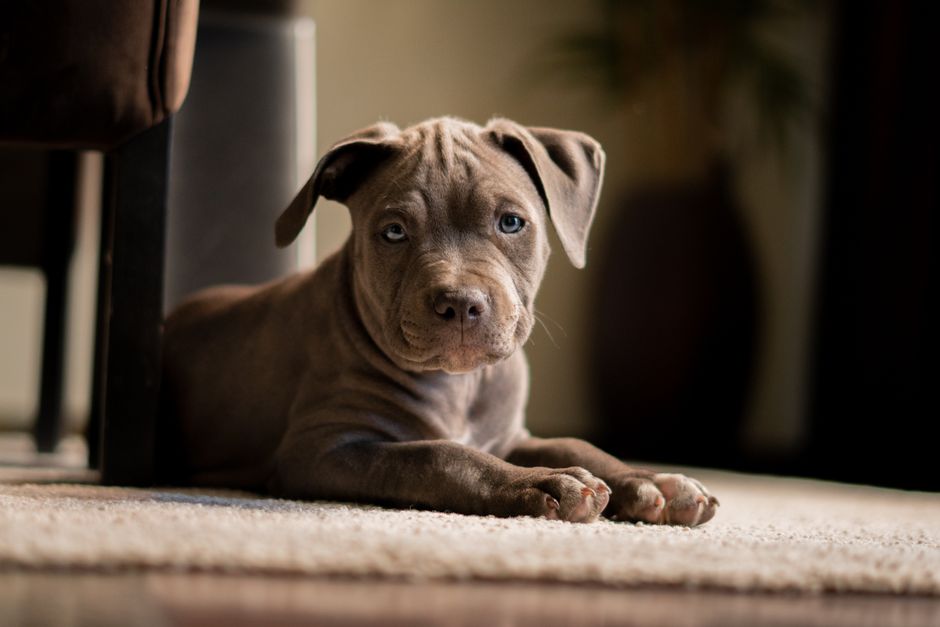
If you live with pets, you already know the feeling: one minute the carpet looks fine, the next there is a damp patch, a smell that lingers, and that sinking thought that the stain has gone right through the pile. The best carpet cleaning for pet stains Maida Vale homes is not just about making the surface look tidy. It is about removing odour, lifting residue safely, and protecting the carpet fibres before a small accident becomes a permanent problem.
In Maida Vale homes, where many carpets are used daily and often fitted wall to wall, pet stains can become more noticeable fast. This guide explains what actually works, how professional cleaning usually handles pet accidents, what to avoid, and how to choose the right approach for your home. If you want a practical answer rather than a vague promise, you are in the right place.
Why Best carpet cleaning for pet stains Maida Vale homes Matters
Pet stains are a bit sneaky. On the surface, they can look like a small mark. Underneath, though, the liquid can spread into the underlay and leave behind bacteria, salts, and odour that keeps coming back when the carpet gets warm or humid. That is why quick surface cleaning often disappoints. It may make the patch look lighter for a day, then the smell returns. Annoying, yes. Common, also yes.
For Maida Vale homes, carpet care matters for a few reasons. First, many properties use carpet as part of the overall comfort of the home, especially in bedrooms, living rooms, and stairs. Second, pet traffic tends to be repeated in the same areas, which means the damage can build up in one corner rather than spread evenly. Third, older or delicate carpets need a gentler touch than a one-size-fits-all approach.
The right cleaning approach should do three things at once: remove contamination, neutralise odour, and preserve the carpet structure. If one of those is missing, the job is only half done. Truth be told, that is where a lot of DIY attempts fall down.
Key takeaway: with pet stains, visible stain removal is only part of the job; the real test is whether the odour stays gone after the carpet dries.
It also matters for comfort and confidence. Nobody wants to have guests over and wonder whether the sofa, hallway, or lounge still smells faintly of dog accident from last Tuesday. We have all been there in some form, and it is never ideal.
How Best carpet cleaning for pet stains Maida Vale homes Works
The best carpet cleaning for pet stains in Maida Vale homes usually follows a careful sequence rather than a single aggressive treatment. That sequence matters because pet urine, vomit, or faecal residue can behave differently depending on carpet type, age, and how long it has been there.
In practical terms, a proper service often starts with inspection. The cleaner looks at the fibre type, backing, pile height, stain age, and whether the stain has gone into the underlay. A good inspection is not glamorous, but it saves a lot of trouble later. Wool, synthetic, and blended carpets can all respond differently to moisture and cleaning solutions.
Next comes pre-treatment. This is where targeted cleaning agents are used to break down residue before deeper extraction or steam cleaning. For pet stains, odour control is as important as stain lifting, so the chosen product needs to address both. The wrong chemical can set a stain or leave a sticky residue that attracts dirt. Not great.
After that, a professional may use hot water extraction or another controlled deep-clean method depending on the carpet. If you want to understand the general process in more detail, the broader carpet cleaning service explains the usual deep-clean approach, while pet stain and odour removal is more focused on stubborn accidents and smells.
Finally, drying and aftercare matter more than many people realise. A carpet that is over-wet can take too long to dry, and that can create a musty smell or increase the risk of marks reappearing. In a flat or townhouse, especially somewhere busy like Maida Vale, ventilation can be the deciding factor. Open windows, airflow, and sensible drying time all help.
One more thing: enzymes are often mentioned in pet stain cleaning. In plain English, enzyme-based cleaners help break down organic residues. They are useful for many pet accidents, but they must be used properly and on the right stain. They are not magic. Close, but no cigar.
Key Benefits and Practical Advantages
The best carpet cleaning for pet stains Maida Vale homes offers more than cosmetic improvement. The benefits show up in the way the home feels afterwards. You can usually tell within minutes if the cleaning was done properly because the carpet looks fresher, the room smells cleaner, and the fibres feel less tired underfoot.
- Odour reduction: the biggest win for pet owners is usually smell control, not just stain removal.
- Better hygiene: removing organic residue helps the carpet feel cleaner and more pleasant to live with.
- Longer carpet life: treating stains early prevents fibres from becoming matted or discoloured.
- Improved appearance: a targeted clean can restore the look of high-traffic areas, stairs, and corners.
- Less repeat staining: some residues attract dirt, so proper cleaning can reduce re-soiling.
There is also a practical benefit many people overlook: peace of mind. Once you know the carpet has been properly treated, you stop sniffing the same spot every time the heating comes on. That sounds funny, but it is a very real behaviour in pet homes.
If the stain has affected more than just the carpet surface, it may be worth looking at nearby textiles too. Pet smells can cling to upholstery and rugs, which is why some households combine carpet work with upholstery cleaning or rug cleaning for a fuller result.
Who This Is For and When It Makes Sense
This kind of cleaning makes sense for a wide range of households, not only the ones dealing with a major accident. In our experience, the people who benefit most are often the ones who wait just long enough for the problem to become irritating. That is usually when the smell becomes noticeable in the evenings, or when a patch keeps showing up darker after vacuuming.
- Homes with puppies, kittens, or older pets still learning boundaries
- Families dealing with repeated accidents in one area
- Households where odour has settled into a lounge, hallway, or bedroom carpet
- Landlords or tenants who need to restore a property between occupancies
- Owners of wool or blended carpets who do not want to risk harsh DIY products
- People who have tried blotting, scrubbing, and store-bought sprays with limited success
It also makes sense after a one-off accident if the carpet has a pale colour, a thick pile, or a sensitive weave. The quicker you act, the better the result tends to be. That said, older stains can still improve significantly with the right treatment. Not perfect every time, but often much better than expected.
If you are comparing service levels or planning a larger clean, the company's pricing and quotes page can help you understand how the job is typically approached, while steam carpet cleaning may be relevant when the carpet needs a deep refresh beyond spot treatment.
Step-by-Step Guidance
If you are dealing with a pet stain right now, here is the sensible order of operations. It is simple, but each step matters.
- Act quickly. Blot up as much moisture as you can using a clean, absorbent cloth. Do not rub. Rubbing tends to push the stain deeper and rough up the fibres.
- Identify the stain type. Urine, vomit, and faecal marks need slightly different handling. Urine in particular can leave odour even when the visible mark looks small.
- Test cleaning products carefully. Before using anything on the carpet, check a hidden area first. Colour change is the last thing you want.
- Use a targeted pre-treatment. An appropriate stain remover or enzyme cleaner can help loosen residue before deeper cleaning. For tougher marks, a dedicated stain removal approach is usually more effective than a generic spray.
- Deep clean with control. Extracting the stain with the right method matters more than scrubbing hard. Too much moisture is a problem, not a solution.
- Dry thoroughly. Airflow and time are essential. If the carpet stays damp, odour can linger or return.
- Check the result after drying. Sometimes a stain looks gone while wet, then reappears slightly once fully dry. That is the moment to assess whether a second treatment is needed.
A small but useful detail: if the stain is from urine, try to avoid adding heat too early. Heat can sometimes lock in residue. Better to clean carefully first, then dry the area properly. Simple, but easy to get wrong when you are in a rush.
Expert Tips for Better Results
A few practical habits make a real difference. They are not flashy, but they help. A lot.
- Lift, don't grind: use a blotting action rather than scrubbing in circles.
- Use the right amount of solution: over-wetting often causes more trouble than the stain itself.
- Work from the outside in: this helps prevent the stain spreading outward.
- Don't mix products: combining household cleaners can be unpredictable and, frankly, not worth the gamble.
- Deal with the odour source: if the smell is coming back, the stain may still be in the underlay or backing.
- Keep pets away while drying: otherwise the same spot can become a repeat target. Pets do have a way of choosing the worst moment.
Another good tip is to clean the surrounding area as well, especially if the carpet is in a small room or near soft furnishings. Odour does not always stay put. If the smell seems to have spread to a chair or sofa, it may be worth looking into sofa cleaning or specialist odour removal alongside the carpet treatment.
And yes, patience matters. Sometimes the best result comes from a careful first clean, a proper dry-down, and then a second light treatment if needed. A neat fix beats a rushed one every time.
Common Mistakes to Avoid
Most pet stain problems get worse because of one of a handful of common mistakes. The good news is they are avoidable once you know what to watch for.
- Scrubbing too hard: this can damage the pile and push the stain further into the carpet.
- Using too much water: excess moisture may reach the underlay and prolong drying.
- Applying strong bleach or random household chemicals: these can discolour fibres or leave residues behind.
- Ignoring the smell after the visible mark fades: odour often means the cleaning is incomplete.
- Leaving the stain for weeks: the longer it sits, the harder it is to remove cleanly.
- Cleaning only the top layer: some stains are deeper than they first appear.
One mistake that catches people out is treating a stain as if it is just dirt. Pet accidents are usually organic, which means they need a different approach. A quick wipe may make the carpet look acceptable for a while, but the underlying issue is still there. Then one warm afternoon and, well, there it is again.
If you are unsure how delicate your carpet is, choose the least aggressive option first. Better a gentle but careful result than a bold experiment that leaves a pale patch in the middle of the room.
Tools, Resources and Recommendations
You do not need a cupboard full of complicated products to handle pet stains well. A small, sensible kit is usually enough for emergency treatment, while deeper issues are better left to a professional carpet clean.
| Tool or approach | Best use | What to watch for |
|---|---|---|
| Clean microfibre cloths | Blotting fresh stains quickly | Use several cloths so you are not spreading residue back onto the carpet |
| Enzyme-based cleaner | Organic pet stains and odour | Follow the instructions and test first on a hidden patch |
| Wet extraction or professional cleaning | Set-in stains or recurring odour | Avoid over-wetting and allow proper drying time |
| Ventilation and airflow | Drying the carpet thoroughly | Drying is just as important as cleaning |
| Targeted stain treatment | Specific spots that need more attention | Use only on compatible fibres and colours |
If you are comparing a full-home refresh with a targeted spot treatment, it helps to think about the carpet in layers: visible fibre, backing, underlay, and room environment. That is why a professional assessment can save time. A small stain on the surface may actually need a deeper plan, especially if the smell is still active.
For homeowners who want to understand service quality, checking the company's about us information can be useful, as can reading the insurance and safety details and the health and safety policy. That is not just box-ticking. It tells you how seriously the business treats your home and the work itself.
Law, Compliance, Standards, or Best Practice
Pet stain cleaning in the home is not usually a regulated service in the same way as clinical or industrial cleaning, but there are still sensible UK best-practice expectations. Professional cleaners should use products carefully, handle equipment safely, and avoid damage to surfaces or furnishings. If a cleaner is working in your home, you should reasonably expect clear communication about what method will be used, what drying time to expect, and how to reduce risk to pets, children, or sensitive flooring nearby.
In everyday terms, good practice means a few straightforward things: suitable product selection, safe storage and handling, honest advice about limitations, and careful attention to drying. It also means respecting your home, which sounds obvious, but really matters. A carpet clean should leave the room better, not create a new problem like damp patches or chemical residue.
Where payment, booking, or service expectations are involved, it is sensible to review the company's terms and conditions and payment and security information. If your decision includes environmental concerns, the recycling and sustainability page may also be relevant.
That is the practical side of compliance here: clear process, safe methods, honest expectations. Nothing flashy, just the stuff that protects your home and avoids unpleasant surprises.
Options, Methods, or Comparison Table
Different pet stain situations call for different approaches. Here is a simple comparison to help you decide what makes sense.
| Method | Best for | Strengths | Limitations |
|---|---|---|---|
| Blotting and spot treatment | Fresh, small accidents | Fast, low cost, easy to start immediately | May not remove deep odour or underlay residue |
| Enzyme cleaner plus careful extraction | Organic pet stains with lingering smell | Good balance of stain and odour control | Needs correct dwell time and drying |
| Professional deep carpet cleaning | Set-in stains, recurring odour, larger areas | More thorough, better for whole-room refresh | Takes longer and may need more preparation |
| Specialist pet stain and odour treatment | Repeated accidents or smells that keep returning | Focused on the source, not just the surface | May still require follow-up if the backing is affected |
For most Maida Vale homes, the best choice is often a mix: immediate blotting at home, then a specialist treatment if the stain has settled in. If the carpet is part of a larger cleaning project, combining it with mattress cleaning or curtain cleaning can also help remove household odours more comprehensively. It is a small detail, but it can make the whole place feel fresher, not just the floor.
Case Study or Real-World Example
Picture a typical Maida Vale living room on a wet evening. A medium-pile carpet in a family flat has picked up repeated pet accidents near the same armchair and along the edge of the room. At first, the mark is small. After a few weeks, though, the smell is faintly there every time the heating comes on.
The homeowner has already tried spray cleaners and blotting, but the odour keeps returning. A proper assessment shows that the surface fibres are affected, and there is some residue deeper down. The clean begins with a targeted pre-treatment, then a controlled deep clean, and finally a thorough drying period with ventilation. The visible stain improves a lot, but more importantly the smell stops coming back the next morning.
That sort of result is what people usually want, even if they do not say it out loud. Not a perfect carpet museum piece, just a home that feels normal again. After all, a carpet is there to be lived on. It just needs a bit of help sometimes.
For the homeowner in this scenario, checking service details beforehand also helps build confidence. A quick look at contact information, the pricing and quotes page, and the company's complaints procedure can make the booking feel clearer and more straightforward.
Practical Checklist
Use this checklist before, during, or after treatment. It keeps things simple.
- Blot the stain as soon as possible
- Identify whether the stain is urine, vomit, or another pet accident
- Test any cleaner on a hidden area first
- Avoid scrubbing or over-wetting the carpet
- Use a suitable stain treatment for organic residue
- Make sure the area dries fully
- Check for lingering odour after drying
- Inspect nearby soft furnishings if smell has spread
- Consider a deeper professional clean for repeated or old stains
- Review safety, insurance, and service terms before booking
If you follow even half of that list well, you are already ahead of most rushed DIY attempts. Simple wins, really.
Get a free quote today and see how much you can save.
Conclusion
The best carpet cleaning for pet stains Maida Vale homes is the approach that deals with the stain properly from the start, not just the visible mark. That means identifying the type of accident, using the right treatment, extracting residue carefully, and allowing enough drying time for the result to settle in. The difference is often obvious: less smell, better appearance, and a carpet that feels comfortable again.
If your pet stain is fresh, act quickly. If it is old, do not assume it is beyond help. And if the odour keeps returning, that is usually a sign the problem has gone deeper than the surface. A careful, professional method is often the most reassuring route, especially in busy homes where carpets do a lot of work day after day.
In the end, the goal is simple: a home that feels clean, calm, and lived-in for the right reasons.
Frequently Asked Questions
What is the best carpet cleaning method for pet stains?
For most pet stains, a targeted pre-treatment followed by controlled deep cleaning or hot water extraction works well. The best method depends on the carpet fibre, how old the stain is, and whether the smell has reached the underlay.
Can pet urine stains be removed completely from carpet?
Often, yes, especially if the stain is treated quickly. Older urine stains can be harder because the odour may have soaked deeper into the backing or underlay. In those cases, stain removal may improve the area significantly even if perfection is not realistic.
Why does the smell come back after I clean the carpet?
Usually because the source of the odour was not fully removed. Pet urine can stay trapped below the surface, then reappear when the room warms up or the carpet dries slowly. That is why deeper treatment is often needed.
Is steam carpet cleaning safe for pet stains?
It can be safe and effective when used correctly, but the method should be matched to the carpet and stain type. Too much heat or moisture in the wrong situation can make things worse, so a cautious approach is better than a rushed one.
How soon should I clean a pet accident on carpet?
As soon as possible. Fresh stains are much easier to remove, and early action reduces the chance of odour settling in. Even a few minutes can make a difference if the stain is blotched promptly.
What should I avoid using on pet stains?
Avoid harsh bleach, random chemical mixes, and aggressive scrubbing. These can damage fibres, spread the stain, or leave residue behind. If you are unsure, use a gentle test patch first or seek professional help.
How long does carpet need to dry after pet stain cleaning?
Drying time depends on the method used, the weather, and the room ventilation. The important part is making sure the carpet is fully dry before pets walk on it again. Damp carpet can attract more dirt and sometimes bring back smell.
Can I use the same treatment on rugs and upholstery?
Not always. Rugs and upholstered furniture often need different cleaning methods because the fibres, backing, and padding vary. If the problem has spread, it may be worth considering rug cleaning or upholstery cleaning alongside the carpet treatment.
Do pet stain cleaners work on old stains?
They can help, but old stains are more stubborn. The cleaner may need more dwell time, multiple treatments, or a deeper extraction method. Age matters, but even old stains can often be improved quite a lot.
How do I know if I need professional help instead of DIY cleaning?
If the stain keeps coming back, the smell lingers after drying, or the carpet is delicate, professional help is usually the safer choice. That is especially true for repeated accidents, larger affected areas, or carpets you do not want to risk damaging.
Is there any benefit to cleaning other soft furnishings at the same time?
Yes. Pet odours can travel into nearby fabrics, so cleaning sofas, curtains, or mattresses at the same time can create a more complete result. It is often the difference between a room that looks clean and a room that actually smells clean too.
What should I check before booking a cleaning service?
Look at the company's service details, insurance and safety information, payment terms, and pricing guidance. It also helps to understand whether the service is focused on general carpet cleaning or specialist pet stain and odour removal, because the right match gives better results.