Westminster Council waste disposal rules for cleaners Maida Vale
If you clean homes, flats, offices, or rental properties in Maida Vale, waste handling is not a side issue. It is part of the job. The rules around bagging, separating, storing, and presenting rubbish can affect everything from client satisfaction to whether a property stays tidy for the next visit. Westminster Council waste disposal rules for cleaners Maida Vale may sound dry at first glance, but once you are the one carrying out a deep clean after a busy week, the practical side becomes very clear.
Truth be told, most cleaning problems with waste are not dramatic. They are small things: an overfilled sack, a recycling bag with the wrong items in it, a wet bin bag left where it should not be, or a contractor assuming the client will sort everything later. That is where things go sideways. This guide explains the rules in plain English, what cleaners should actually do on site, and how to keep your process smooth, professional, and compliant.
For cleaners working across Maida Vale, Westminster, and nearby central London streets, the goal is simple: remove waste responsibly, protect the property, and leave no unpleasant surprises behind. If you also manage cleaning across carpets, upholstery, or stain-heavy jobs, you may want to keep a wider service page handy, such as carpet cleaning or upholstery cleaning, because waste handling often goes hand-in-hand with the type of clean being delivered.
Table of Contents
- Why Westminster Council waste disposal rules for cleaners Maida Vale matters
- How Westminster Council waste disposal rules for cleaners Maida Vale works
- Key benefits and practical advantages
- Who this is for and when it makes sense
- Step-by-step guidance
- Expert tips for better results
- Common mistakes to avoid
- Tools, resources and recommendations
- Law, compliance, standards, or best practice
- Options, methods, or comparison table
- Case study or real-world example
- Practical checklist
- Conclusion
- Frequently asked questions
Why Westminster Council waste disposal rules for cleaners Maida Vale Matters
Waste disposal rules matter because cleaning jobs create a mix of ordinary rubbish, recyclable materials, packaging, and sometimes damp or contaminated waste. In a place like Maida Vale, where many properties are flats, managed buildings, or shared-access homes, that mix can become a logistical headache very quickly.
For cleaners, the real issue is not just "where does the rubbish go?" It is also:
- how waste is stored while you are on site;
- whether items are separated correctly;
- what the client expects you to remove;
- what should stay in the property for the resident or building manager;
- and whether your process creates odour, leakage, or pest risk.
A cleaner who understands Westminster Council waste disposal rules for cleaners Maida Vale is less likely to leave a mess, trigger a complaint, or create an awkward follow-up call. That sounds obvious, but in practice it saves time. It also protects your reputation. A spotless room with a bag of drippy waste sitting by the door? Not a great look. You know it when you see it.
Expert summary: Good waste handling is part hygiene, part logistics, and part customer service. When all three are working together, the whole clean feels better - and the property feels properly finished.
It also matters because many cleaning tasks produce waste that is easily mismanaged. Think of vacuum dust, disposable cloths, packaging from treatments, old filters, cardboard, or leftover absorbent material after stain removal. Services like stain removal and pet stain odour removal can involve soiled materials that need careful bagging. Nobody wants a damp, smelly bag sitting in a hallway, especially not after 6pm when the building is quiet and every sound carries.
How Westminster Council waste disposal rules for cleaners Maida Vale Works
The basic principle is straightforward: waste from cleaning jobs must be handled in a way that fits the property's waste arrangements and any applicable local collection rules. In practical terms, cleaners should not assume that every bag can simply be left in the nearest bin. Some buildings have strict bin storage areas, some have scheduled collections, and some properties have separate streams for mixed rubbish, dry recycling, food waste, or bulky items.
When working in Maida Vale, cleaners usually need to think in layers:
- Identify the waste type. Is it general waste, recyclable packaging, or material contaminated by cleaning chemicals or bodily fluids?
- Contain it properly. Use suitable bags, secure lids, and leak-resistant containers for anything damp or messy.
- Keep streams separate. Do not mix recyclables with general rubbish if the property's disposal system requires separation.
- Use the building's storage point correctly. Many Westminster properties have a designated bin area or internal refuse point. Follow that system, not guesswork.
- Arrange removal carefully. If waste must be taken away by the cleaner, make sure that is agreed in advance and reflected in the job process.
There is also a sensible distinction between what a cleaner creates and what the client already had in the property. For example, if you remove used wipes, dust, and packaging from a deep clean, that is one thing. If you are asked to dispose of old furniture, batteries, paint, construction debris, or hazardous materials, that is a different conversation entirely. To be fair, that's where a lot of misunderstanding starts.
For businesses and landlords, a cleaner's waste routine often overlaps with larger maintenance work. A commercial site may have different arrangements from a private flat. If your work includes offices or shared premises, the information on commercial carpet cleaning may be useful because commercial jobs often produce more packaging, more footfall dirt, and more coordination with building waste procedures.
Key Benefits and Practical Advantages
When cleaners follow Westminster Council waste disposal rules properly, the benefits are immediate and practical. This is not theory. It is the sort of thing you notice on a wet Tuesday afternoon when the building manager is already busy and the hallway smells faintly of disinfectant and fresh laundry.
- Cleaner handover: The property is left in a more polished state, with no loose waste sitting around.
- Fewer complaints: Residents and tenants are less likely to report odour, litter, or incorrect bin use.
- Better hygiene: Properly bagged waste reduces spill risk and contamination.
- Lower operational stress: Clear waste routines reduce decision-making on the day.
- More professional service: Clients notice when a cleaner finishes neatly.
- Reduced risk of building issues: Correct bin use helps avoid overfilling and shared-area mess.
There is another, quieter benefit too: better repeatability. Once your team knows the waste process, every clean becomes easier to standardise. That matters a lot if you cover multiple properties in Maida Vale or move between domestic and commercial jobs. You do not want a different answer every time someone asks, "Where should this go?"
If your work also includes soft furnishings, the waste side can become more noticeable because of lint, removed fibres, stained cloths, and packaging from pre-treatment products. Pages like sofa cleaning and rug cleaning can help you think about the broader job flow, including what gets removed from the room and what should never be left loose.
Who This Is For and When It Makes Sense
This guidance is useful for a few different people, and not just full-time cleaning companies.
- Domestic cleaners handling everyday waste after kitchens, bathrooms, bedrooms, or post-guest turnovers.
- Deep-clean specialists who generate more bagged waste, cloths, and disposable materials.
- End-of-tenancy cleaners who need to leave a property ready for inspection.
- Landlords and letting agents who want consistent waste handling across multiple flats.
- Commercial cleaning teams working in office suites, managed buildings, or shared workspaces.
- One-off contractors brought in when a property needs a reset after poor housekeeping or a move-out.
It makes the most sense whenever waste is more than a tiny bin-emptying task. If you are dealing with multiple bags, wet materials, packaging from equipment, or anything potentially messy, it pays to have a clear disposal routine before the job begins. Honestly, that saves arguments later.
It is also important when a cleaning job includes specialist tasks. Steam extraction, for example, can leave behind saturated cloths or recovery waste that needs handling carefully. If that is part of your work, the process around steam carpet cleaning deserves attention because moisture and waste management go together more than people think.
Step-by-Step Guidance
Here is a simple workflow cleaners can use in Maida Vale. It is not fancy, but it is reliable. And reliable wins.
- Check the property's waste setup before starting. Ask where general waste and recycling should be placed. In managed blocks, the bin store may be behind a coded door or in a courtyard. Do not assume access.
- Separate waste as you work. Keep dry recyclables, general rubbish, and damp cloths in separate bags where practical. If a material has been contaminated, treat it as general waste unless the property's system says otherwise.
- Bag waste securely. Double-bag anything wet, sharp, or odorous. Tie bags properly. A loose knot is not a solution; it is a future problem.
- Keep bins and corridors clean. If anything spills, wipe it immediately. Shared hallways in Maida Vale can be narrow, and one small drip becomes very noticeable.
- Use only agreed disposal points. Place waste in the designated bin or collection area. If the waste is not allowed in that stream, do not improvise.
- Record anything unusual. If a bag is damaged, a bin store is full, or a client asks for disposal beyond the normal scope, note it clearly.
- Confirm completion before leaving. Do one final walk-through. It takes 30 seconds and can save a complaint.
A useful habit is to finish the job with a "waste last" routine. In other words, clean first, clear debris second, and then do one final inspection with an eye for what might still be sitting in corners or behind a door. Small detail, big difference.
If the property includes curtains or delicate textiles, waste management can be even more sensitive because there may be lint, disposable underlay materials, or cleaning residues to discard. The same careful mindset applies to curtain cleaning and mattress cleaning, where the room should be left tidy, dry, and free from stray packaging or used materials.
Expert Tips for Better Results
After enough jobs, you start to see patterns. Most waste issues are preventable with a few quiet habits.
- Carry spare bags and ties. A ripped liner or overfilled sack is common on busy jobs.
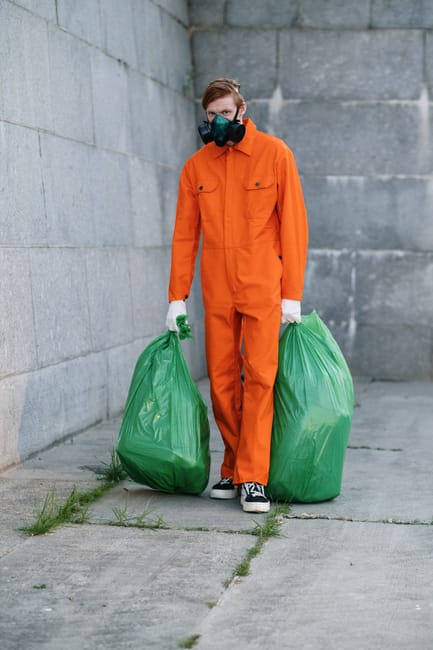
- Keep a separate bag for contaminated disposables. Used cloths, gloves, and heavy debris can go into one clearly marked sack.
- Use clear communication on move-out jobs. If the client expects a full clear-out, confirm what "full" means. People often mean different things by the same words.
- Avoid leaving waste near heat sources or wet floors. It sounds obvious, but you would be surprised.
- Protect lifts and lobbies. In shared buildings, carry waste in a way that keeps hallways and communal areas clean.
- Plan the exit route first. The quickest way out is not always the cleanest way out.
One simple bit of advice: do not let the waste stage become the "we'll sort it at the end" stage. That is how jobs run late. It is also how people forget a bag in the wrong area. By the time you are putting on your coat, your brain has already moved on. Fair enough, but the property has not.
Where cleaners work alongside property managers or landlords, a small written note about waste arrangements can help. Nothing elaborate. Just enough to confirm who is responsible for what. If you are refining your wider service standards, the company's health and safety policy is a sensible place to align waste handling, spill response, and site conduct.
Common Mistakes to Avoid
The biggest waste disposal mistakes are usually boring ones. That is the annoying part. They are easy to avoid, but easy to forget when you are rushing between jobs.
- Mixing waste streams: Putting recyclables, general rubbish, and damp disposables into one bag when the site expects separation.
- Overfilling bags: Bags split, leak, or become too heavy to carry safely.
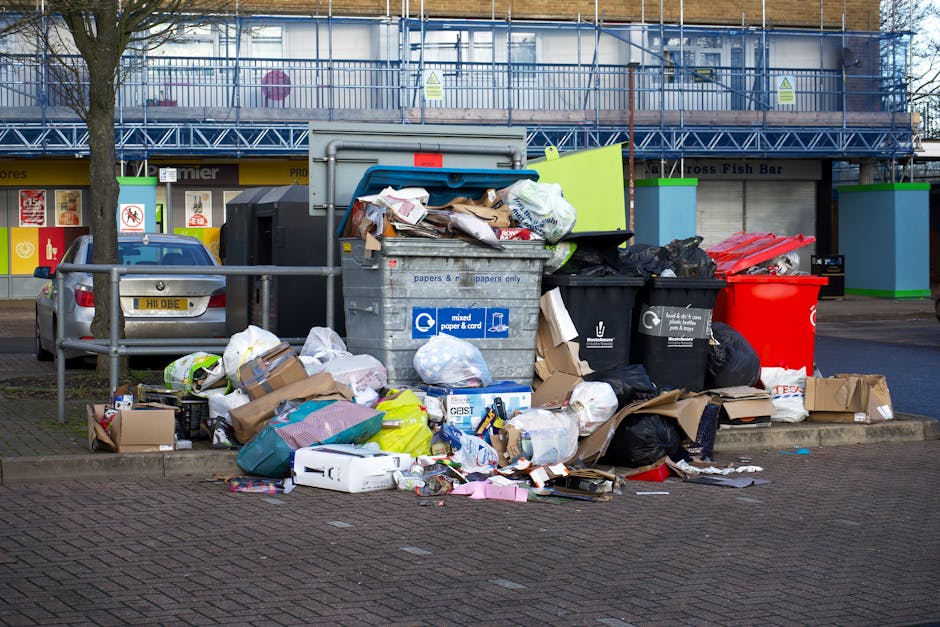
- Leaving waste in communal spaces: Hallways, landings, and shared bin rooms are not temporary storage.
- Assuming the client will sort it out: If disposal is part of the job, make that responsibility clear from the start.
- Ignoring odour or contamination: If a bag smells, it needs sealing and prompt removal.
- Not checking building rules: Some blocks in Westminster have very specific waste procedures. You do not want to be the person who guessed wrong.
A less obvious mistake is failing to distinguish between light cleaning waste and anything that may need special handling. For example, greasy cloths, chemical containers, broken fittings, or material contaminated by pets should never just be thrown into a random bin without thought. If the job includes pet-related mess, the waste side becomes more sensitive, which is why pet stain odour removal often needs a stricter disposal routine than a standard dust-and-vacuum clean.
And yes, sometimes the mistake is simply human. You think, "I'll remember that bag on the way out." Then a phone call happens, the client asks a question, and suddenly the bag is still in the hallway. Happens more often than anyone admits.
Tools, Resources and Recommendations
You do not need a complicated kit to manage waste well, but a few practical items make the whole process much easier.
- Heavy-duty bin liners for general waste and damp materials.
- Reusable caddies or tubs for carrying cloths, products, and small waste items while working.
- Separate sacks for recycling where the property has a clear recycling stream.
- Gloves for handling contaminated or sharp waste safely.
- Microfibre cloths that reduce disposable waste where possible.
- Spill wipes or absorbent pads for small leaks and accidents on the move.
- A simple job note template to record waste instructions, access details, and anything unusual at the property.
In service planning, it also helps to keep your company information tidy and accessible. The pages on about us, insurance and safety, and recycling and sustainability can support trust and show that waste handling is part of a wider responsible approach, not an afterthought.
If a cleaner is quoting for a job that involves waste removal beyond the normal empty-bin stage, it is worth reviewing pricing and quotes before confirming anything. Waste handling can add time, material use, and disposal effort. Better to be clear upfront than to have a difficult conversation at the doorstep.
Law, Compliance, Standards, or Best Practice
For cleaners in Maida Vale, the safest approach is to treat waste handling as a compliance-sensitive part of the service. That does not mean every job is legally complex. It does mean you should be careful with assumptions.
In normal practice, cleaners should:
- follow the property's designated waste arrangement where one exists;
- avoid placing waste in the wrong bin stream;
- keep public areas clean while moving waste;
- use sensible containment for anything wet, dirty, or odorous;
- escalate unusual items rather than disposing of them casually;
- and keep clear communication with clients, landlords, or building managers.
It is also wise to remember that some waste types may need separate consideration, especially if they are sharp, contaminated, electrical, or bulky. A cleaner should not guess their way through that. If something feels borderline, pause and clarify. That is not being slow; it is being professional.
Best practice in this area is often about process rather than paperwork. A tidy workflow, proper bagging, and clear communication will usually do more for compliance than a long policy nobody reads. Still, a written set of expectations helps, especially in recurring work. The terms and conditions can be useful for setting out responsibilities around access, waste, and job scope.
Where cleaners operate in commercial settings, the expectations can be stricter because there are more people, more shared areas, and more pressure to avoid disruption. A small mistake in a home is inconvenient. In a managed building, it can affect several people at once. That is why good waste practice deserves more respect than it sometimes gets.
Options, Methods, or Comparison Table
Different jobs call for different waste-handling methods. The right option depends on the property, the amount of waste, and who is responsible for final disposal.
| Method | Best for | Strengths | Watch-outs |
|---|---|---|---|
| Leave in property bins | Small domestic cleans with clear bin access | Fast, simple, low disruption | Only works if the right bin stream is available and not full |
| Bag and place in designated bin store | Flats, managed blocks, shared buildings | Neat, predictable, easy for building staff | Needs access and knowledge of the site's waste rules |
| Remove waste off site by agreement | Deep cleans, end-of-tenancy jobs, specialist cleans | Useful when the client wants a full clear-out | Must be agreed in advance; can add time and cost |
| Separate specialist handling | Contaminated, sharp, or unusual waste | More careful and safer for unusual items | Requires judgment and sometimes escalation |
For most standard cleaning visits, the first two methods are enough. The others are there for edge cases, which is where a lot of real-world stress appears. Not glamorous, but useful.
Case Study or Real-World Example
Here is a realistic example from the kind of job cleaners in Maida Vale deal with all the time.
A cleaner arrives at a third-floor flat after an end-of-tenancy deep clean. The kitchen bin is already full, the client has left several packaging items from household products, and there are disposable wipes, a few used gloves, and damp cloths from stain work. The property also has a shared refuse area downstairs with separate bins for mixed waste and recycling.
The cleaner first checks what can be recycled and what cannot. Cardboard packaging is flattened and kept separate. The damp cloths and used gloves go into a tied general-waste sack. The bag is sealed before leaving the flat so there is no smell in the lift. At the bin store, the cleaner places items in the correct containers and does a quick visual check for spills.
Nothing dramatic happened. That is the point.
The job finished cleanly, the client had no complaint about waste left in the hallway, and the building access stayed tidy. The whole thing took a little longer than just tossing everything into one bag, but it avoided a messy follow-up. In practice, that small extra care is what people remember.
On a different job, the same approach would be even more important after specialist work such as steam carpet cleaning or a stain-heavy upholstery clean. Waste is often the invisible part of the service, but it affects the visible outcome more than people think.
Practical Checklist
Use this checklist before you leave a property in Maida Vale.
- Have all cleaning waste been bagged securely?
- Are recyclables separated where the property requires it?
- Have any damp or odorous items been double-bagged?
- Do you know the correct bin store or disposal point?
- Has the client agreed who is responsible for removal beyond standard rubbish?
- Have you checked for spills in hallways, lifts, or entrance areas?
- Are any unusual items flagged for follow-up rather than guessed at?
- Have you done one final room-by-room sweep for leftover waste?
Quick expert reminder: if the answer to any of the above is "not really," pause and sort it out before you go. It takes a minute. It can save a complaint.
Get a free quote today and see how much you can save.
Conclusion
Westminster Council waste disposal rules for cleaners Maida Vale are really about doing ordinary things properly. Separate the waste, bag it well, use the right disposal point, and do not leave the next person to deal with the mess. Simple, yes. But that simplicity is what makes a job feel professional.
If you are a cleaner, landlord, or property manager, the best results come from clear expectations and a repeatable routine. Waste handling should be built into the service, not added as an afterthought when the hallway is already full and everyone is tired. Once you get that rhythm right, the whole job feels calmer.
And honestly, calmer is good. Especially in a busy London block where the lift is slow, the bins are awkward, and the day is already moving fast.
For support with cleaning services and responsible working standards, you can also review the company's wider approach through the pages on health and safety and recycling and sustainability. Small habits, done well, tend to make the biggest difference in the end.
Frequently Asked Questions
What should cleaners in Maida Vale do with everyday rubbish after a cleaning job?
Cleaners should bag it securely and place it in the property's designated waste or recycling system if that has been agreed. If the building has shared bins, follow the bin stream rules carefully and avoid mixing waste types.
Do Westminster Council waste disposal rules apply to cleaners working in private flats?
Yes, in practice cleaners still need to follow the local property and building arrangements, which may reflect Westminster waste procedures. Private flats often have shared bin rules, so the cleaner should not assume one-size-fits-all handling.
Can a cleaner leave waste in a communal hallway for collection later?
Usually, no. Hallways, landings, and lobbies are not storage areas. Waste should be moved promptly to the correct bin point or handled according to the client's agreed instructions.
What counts as unusual waste on a cleaning job?
Anything sharp, wet, smelly, contaminated, bulky, or not part of normal household rubbish should be treated carefully. If in doubt, the cleaner should pause and clarify rather than guessing.
Should recyclables always be separated by cleaners?
Where the property or building provides a recycling system, yes, it is sensible to separate them. That said, the cleaner should respect the site's setup and only place materials in the correct stream when it is clear how the system works.
What if the client asks the cleaner to remove extra rubbish?
That should be agreed before or during the booking, not assumed on the day. Extra removal can affect time, waste bags, vehicle space, and disposal effort, so it is best handled clearly.
How do waste rules affect deep cleaning jobs?
Deep cleans often create more debris, used cloths, packaging, and damp materials than routine cleans. That means bagging, separation, and disposal become more important, especially in shared buildings.
Are commercial cleaning jobs different from domestic ones?
Yes, often they are. Commercial sites may have stricter waste points, more people using shared spaces, and tighter expectations around tidiness. A commercial clean usually needs more planning around waste movement and storage.
What is the safest way to handle damp or smelly cleaning waste?
Use strong bags, tie them properly, and remove them promptly. Double-bagging is often sensible for anything damp or odorous, especially if the bag will be carried through common areas.
Do cleaners need a written waste procedure?
It is not always required, but it is a very good idea. A simple procedure helps staff know what to do, reduces mistakes, and makes jobs more consistent across different properties.
What should a cleaner do if the bin store is full?
The cleaner should not abandon waste in a shared area. They should contact the client, building manager, or job lead for guidance and record the issue so it can be handled properly.
Is waste handling part of professional cleaning standards?
Yes. Even though it is often overlooked, waste handling is part of what makes cleaning feel complete, safe, and respectful of the property. It is one of those small things people notice immediately when done badly, and barely notice when done well.